
4. The Diluted Bleach Paper Towel Treatment (For White Containers)
Advertisements
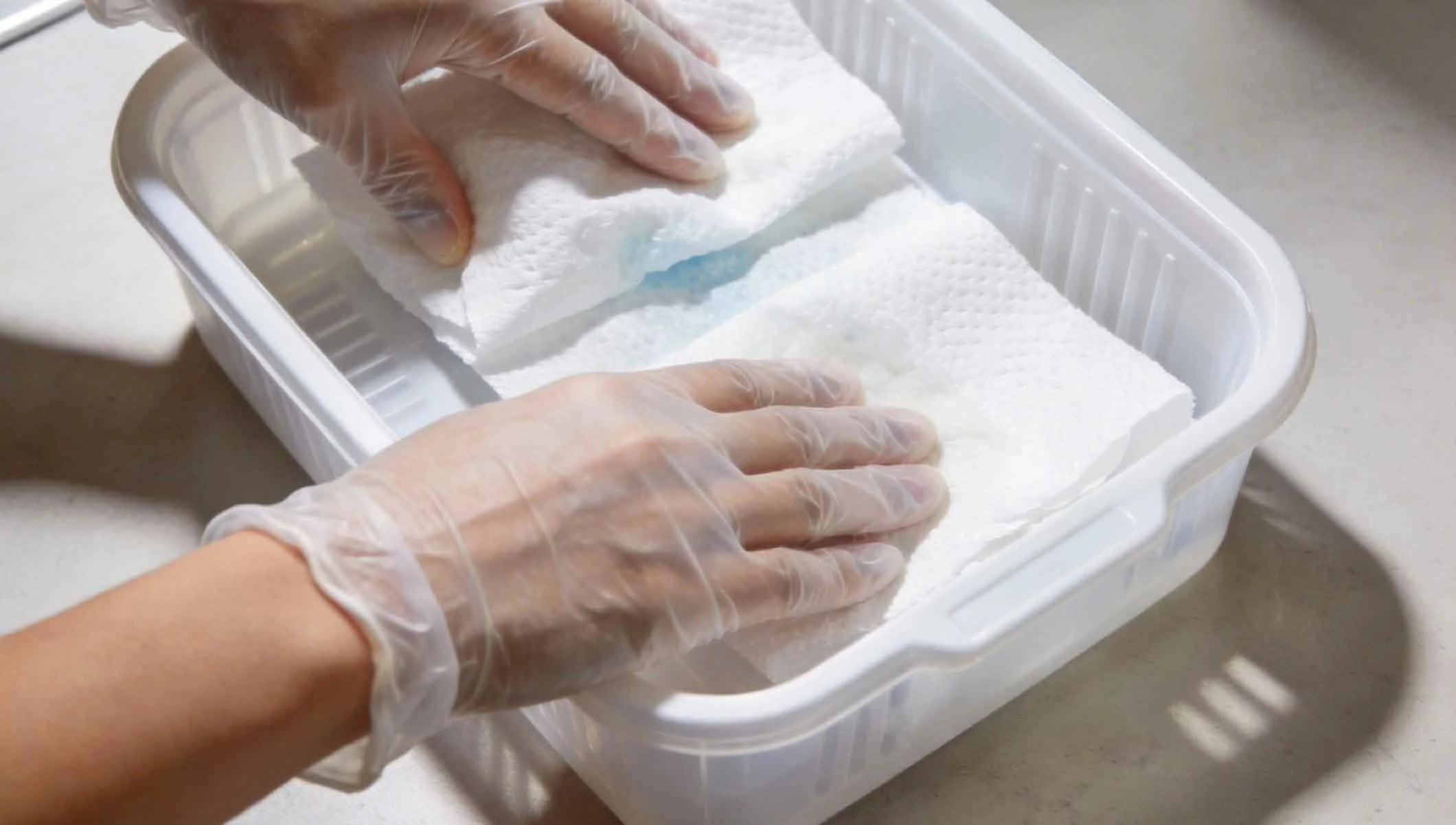
Warning: Use this method with extreme caution, only on all-white or clear plastic containers, and ensure proper ventilation. Never mix bleach with ammonia or vinegar. For severe, set-in stains on color-safe plastics, a controlled bleach application via paper towel can be effective.
1. Materials Needed:
You will need household chlorine bleach, water, paper towels, disposable gloves, and a well-ventilated area.
2. Step-by-Step Process:
Put on gloves and work in a ventilated space. Create a very mild solution of one part bleach to ten parts water in a bowl. Submerge a few sheets of paper towel in this solution and wring them out so they are damp, not dripping. Line the stained container with these damp paper towels, pressing them onto the stains. Place the entire container in a well-ventilated area away from children and pets, or outside. Let it sit for no more than 15-30 minutes—do not leave it for hours, as prolonged exposure can damage the plastic. Check frequently. After the time is up, remove the paper towels (dispose of them safely) and rinse the container incredibly thoroughly with soap and hot water multiple times to remove all bleach residue.
3. Why This Works:
Bleach is a powerful oxidizing agent that breaks down the chemical bonds of stains, effectively removing the color. The paper towel method localizes the bleach to the stained area with minimal liquid, reducing the risk of over-bleaching or damaging the plastic and making the rinse-off process more manageable.
5. The Dish Soap and Hot Water Press
Sometimes, the simplest method is the best. For fresh or light stains, hot water and dish soap can work wonders, especially when aided by the capillary action and absorption of a paper towel.
1. Materials Needed:
You will need liquid dish soap, very hot (near boiling) water, and 2-3 sheets of paper towel.
2. Step-by-Step Process:
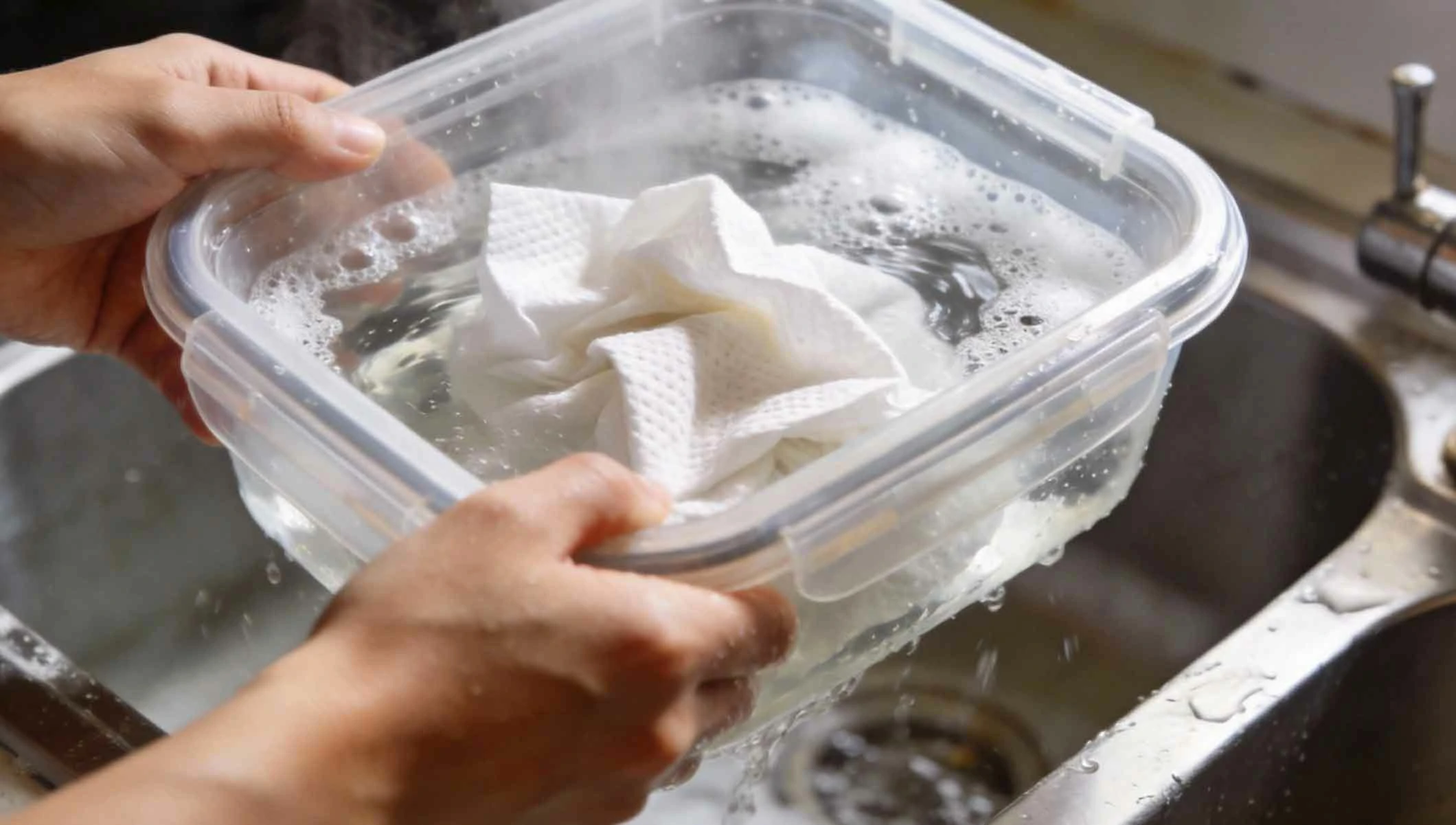
Place a drop of dish soap in the bottom of the stained container. Add a small amount of very hot water—just enough to cover the bottom by about half an inch. Take a sheet of paper towel, tear it, crumple it loosely, and place it into the soapy water. Quickly put the lid on the container and seal it tightly. Shake the container vigorously for 30 seconds. The hot soapy water will slosh around, and the crumpled paper towel will act as a gentle, abrasive scrubber inside. Let the sealed container sit for 10-15 minutes. The heat and soap will loosen the stains, and the paper towel will absorb some of the dissolved staining agents. Open carefully (mind the steam), empty the contents, and use the now soapy paper towel to give the interior a final wipe-down before rinsing clean.
3. Why This Works:
The hot water heats the plastic and the stain, making the stain molecules more active and easier to break down. The dish soap emulsifies the oils and food particles. The paper towel provides a gentle mechanical scrubbing action during the shake and then serves as a sponge to soak up the loosened grime, preventing it from re-depositing on the plastic.
General Tips and Precautions for Cleaning Tupperware
Regardless of the method you choose, following some best practices will ensure you clean your containers effectively without causing damage.
1. Always Test First:
Before applying any cleaning agent (especially bleach or abrasive pastes) to the entire container, test it on a small, inconspicuous area, like the bottom exterior, to check for discoloration or damage.
2. Avoid Harsh Abrasives:
Steel wool, harsh scouring pads, and abrasive powdered cleaners can scratch plastic deeply. These scratches become havens for future stains and bacteria. The paper towel itself, or a paste used with it, is a much safer abrasive.
3. Prioritize Immediate Rinsing:
The best way to prevent stains is to rinse containers with cool water immediately after use. This prevents food particles and pigments from bonding to the plastic.
4. Dry Thoroughly Before Storage:
Always air-dry your containers completely with the lids off before putting them away. Trapped moisture can lead to mildew and odors.
5. Know When to Retire a Container:
If a container is deeply scratched, warped, or retains odors and stains after multiple cleaning attempts, it's time to recycle it. Deep scratches can harbor bacteria.
In conclusion, a paper towel is far more than just a drying tool; it's a versatile ally in the fight against Tupperware stains. From acting as a vehicle for pastes and solutions to providing gentle abrasion and superior liquid retention, it enhances nearly every cleaning method. Whether you opt for the gentle scrubbing of a baking soda paste, the chemical action of vinegar, the natural bleaching of lemon and sun, the powerful oxidation of a controlled bleach application, or the simple heat of soapy water, incorporating a paper towel will make the process more efficient and less messy. By choosing the right method for the type of stain and following basic care guidelines, you can extend the life and appearance of your food storage containers for years to come.
Advertisements
Advertisements
You May Have Missed

The waitress wrote a letter to her father without her mother's knowledge

Husband divorces wife after she gives birth to black child, her secret revealed 10 years later