
How to Clean Tupperware Stains with a Paper Towel
Advertisements
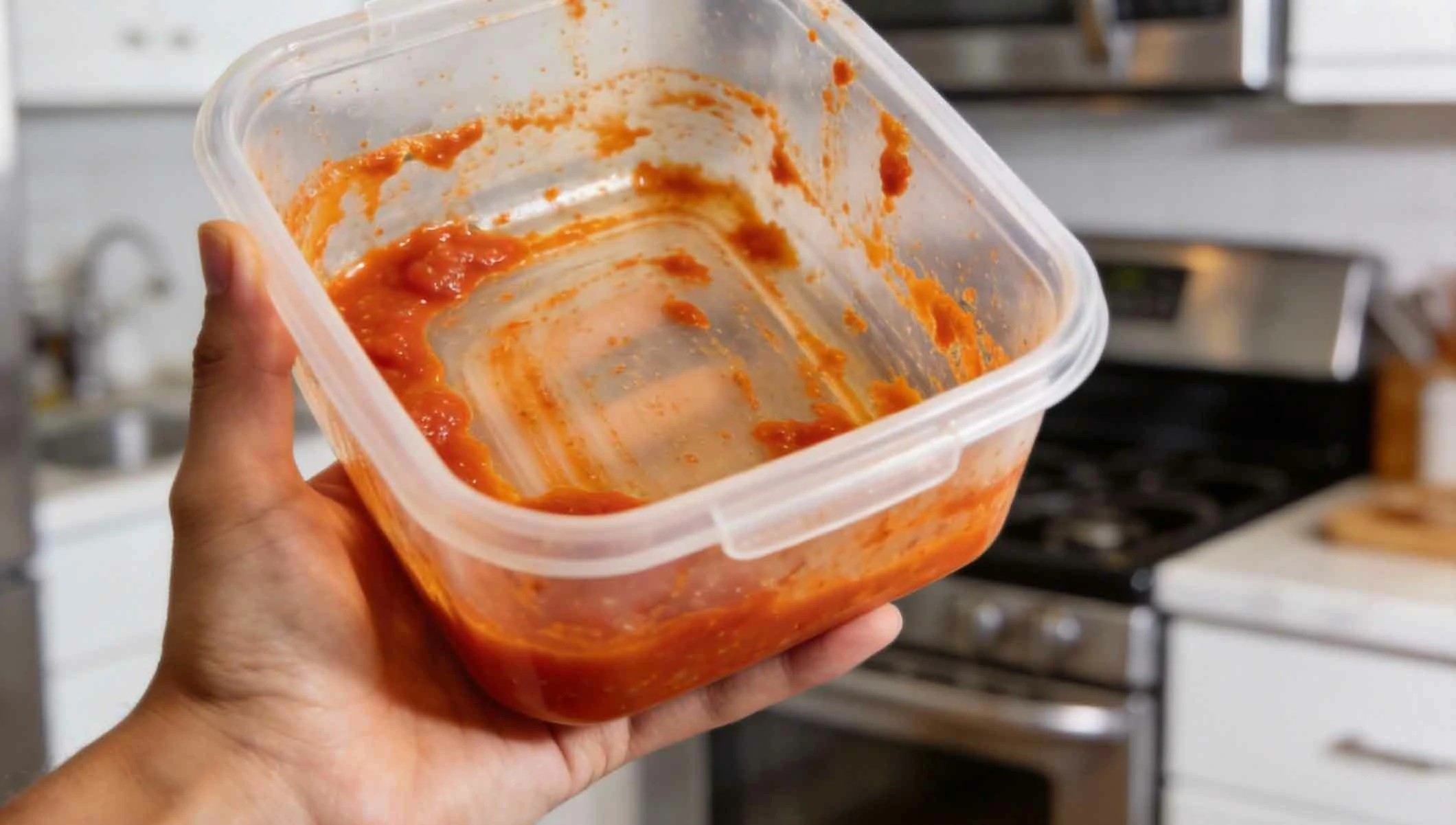
Tupperware and similar food storage containers are kitchen essentials, prized for their durability and airtight seals. However, over time, they often fall victim to stubborn stains from tomato sauce, curry, turmeric, berries, and other deeply pigmented foods. These stains can be frustratingly persistent, resisting normal dishwashing. While there are many cleaning hacks, using a simple paper towel as a key tool offers a surprisingly effective, low-mess, and often gentle approach. The paper towel acts as a delivery system for cleaning agents, a gentle abrasive, and a stain-lifting medium, making it an ideal partner in reviving your stained containers. This guide will explore several targeted methods, all leveraging the humble paper towel, to restore your Tupperware to its original clarity.
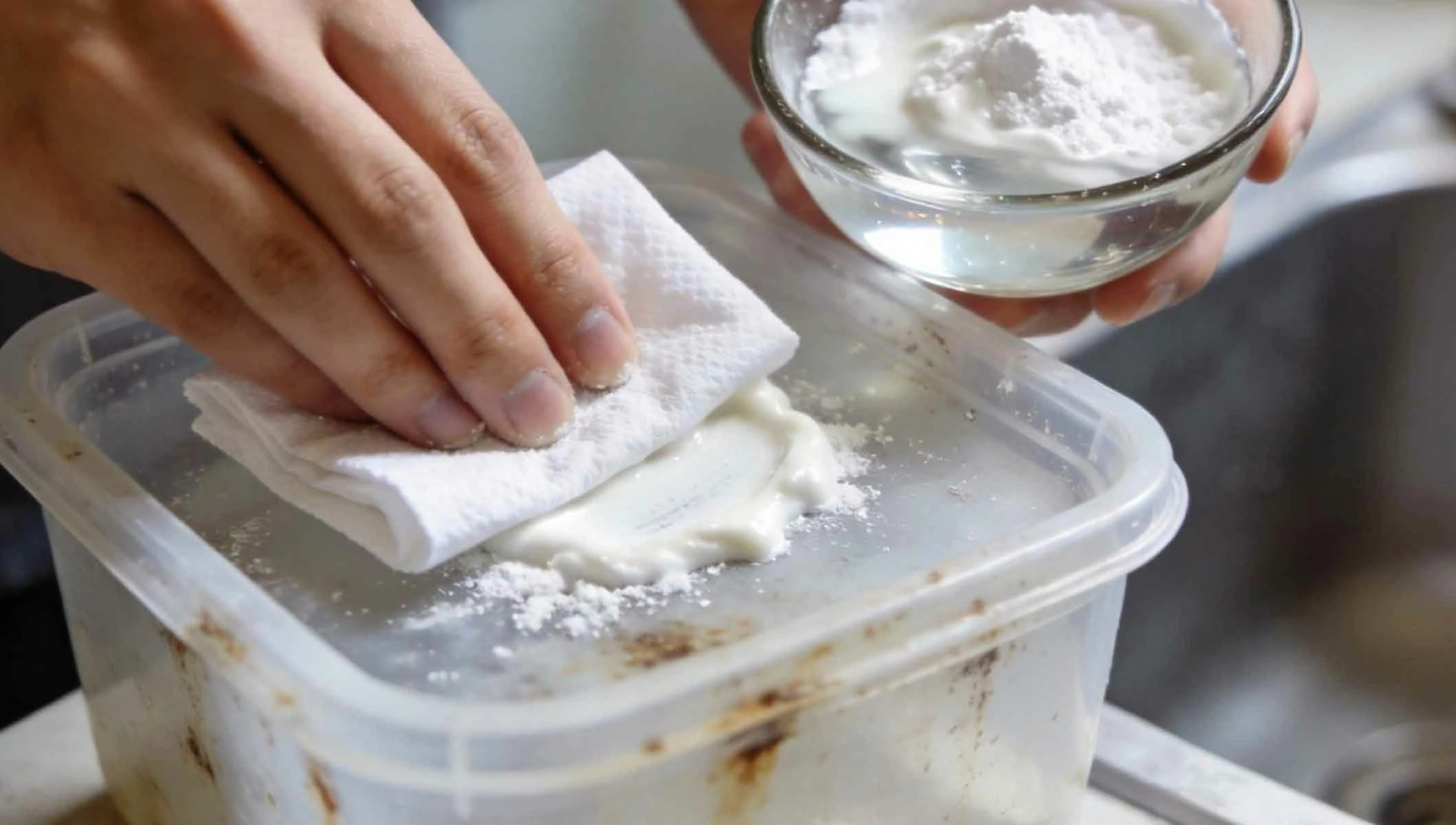
1. The Baking Soda Paper Towel Paste
Baking soda (sodium bicarbonate) is a mild abrasive and a natural deodorizer. Combined with water to form a paste and applied with a paper towel, it creates a gentle scouring action that can lift surface stains without scratching the plastic.
1. Materials Needed:
You will need baking soda, water, several sheets of paper towel, and optionally, a drop of dish soap.
2. Step-by-Step Process:
First, dampen the stained container with a little water. Then, on a small plate or bowl, mix baking soda with just enough water to create a thick, spreadable paste. Tear off a sheet of paper towel, fold it into a small pad, and scoop up a generous amount of the paste onto it. Use the paper towel pad to vigorously scrub the stained areas in a circular motion. The paper towel provides a grip and applies the paste evenly. For extra cleaning power, you can add a tiny drop of dish soap to the paste. Let the paste sit on the stain for 15-30 minutes, then rinse thoroughly. The paper towel can be used to wipe away the paste residue before the final wash.
3. Why This Works:
The mild abrasiveness of the baking soda crystals, when mobilized by the paper towel, helps to scrub away stain particles lodged in microscopic scratches on the plastic surface. The soaking period allows it to loosen the bond of the stain.
Advertisements
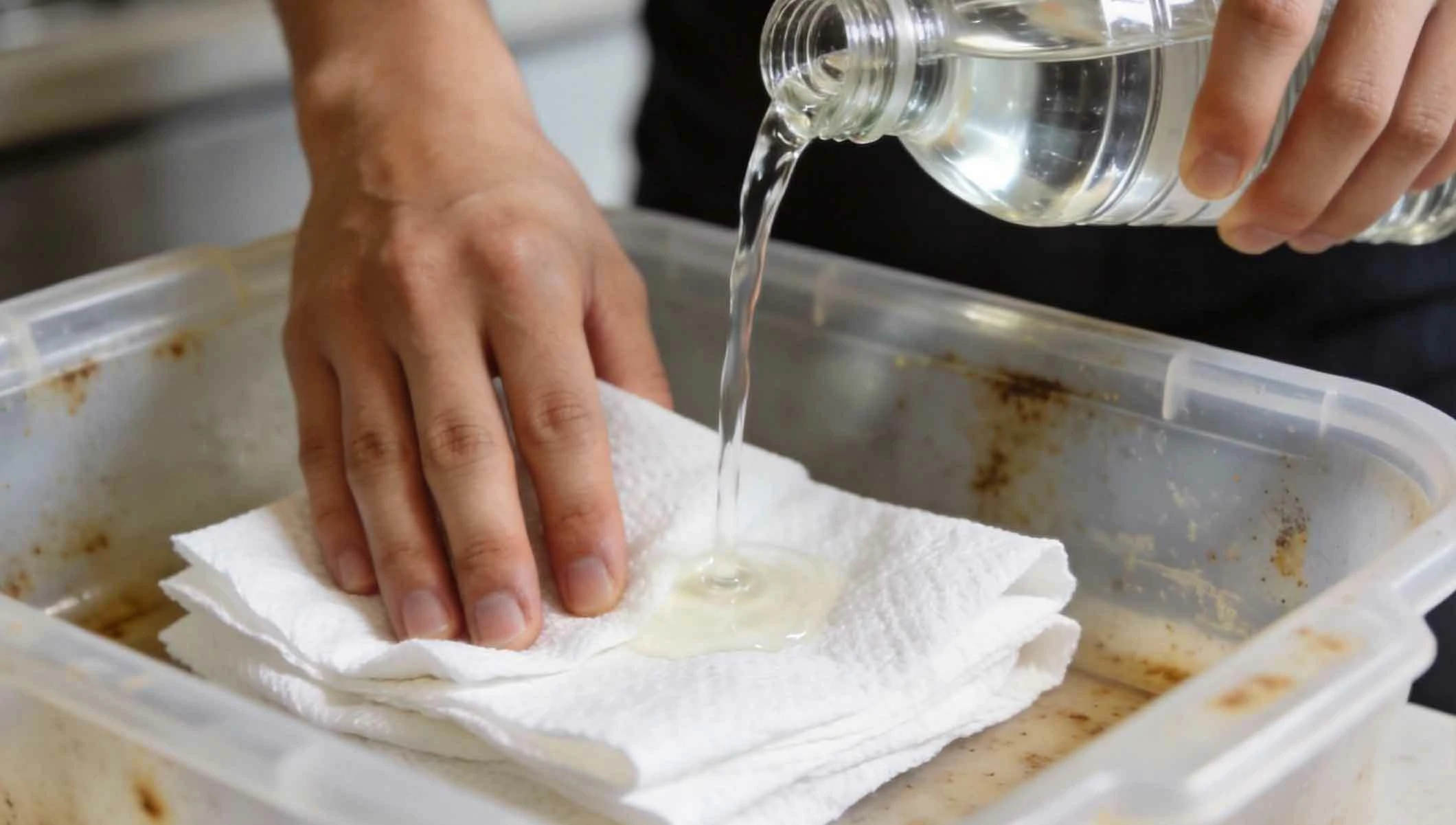
2. The White Vinegar Soak and Scrub
White vinegar is a weak acid that excels at breaking down alkaline residues and mineral deposits, and it's particularly good at tackling hard water film and some food stains. Using a paper towel soaked in vinegar maximizes contact with the stain.
1. Materials Needed:
You will need white distilled vinegar, paper towels, and a sealable plastic bag or another container large enough to hold the stained item.
2. Step-by-Step Process:
Start by rinsing the Tupperware. Then, saturate a few sheets of paper towel with undiluted white vinegar. Line the interior of the stained container with these vinegar-soaked paper towels, pressing them directly onto the stained surfaces. If the stain is on the lid or an awkward spot, place the vinegar-paper towel pad on it. For complete coverage, put the entire container (or the lid) inside a sealable bag along with the vinegar-soaked paper towels to keep everything moist. Let it sit for at least one hour, or overnight for severe stains. After soaking, use the same paper towels to scrub the area—the stain should now lift more easily. Rinse thoroughly with soap and water.
3. Why This Works:
The acetic acid in the vinegar works to dissolve the stain compounds. The paper towel holds the vinegar against the stain for an extended period, preventing evaporation and ensuring continuous chemical action. This method is excellent for removing red sauce stains and odors.
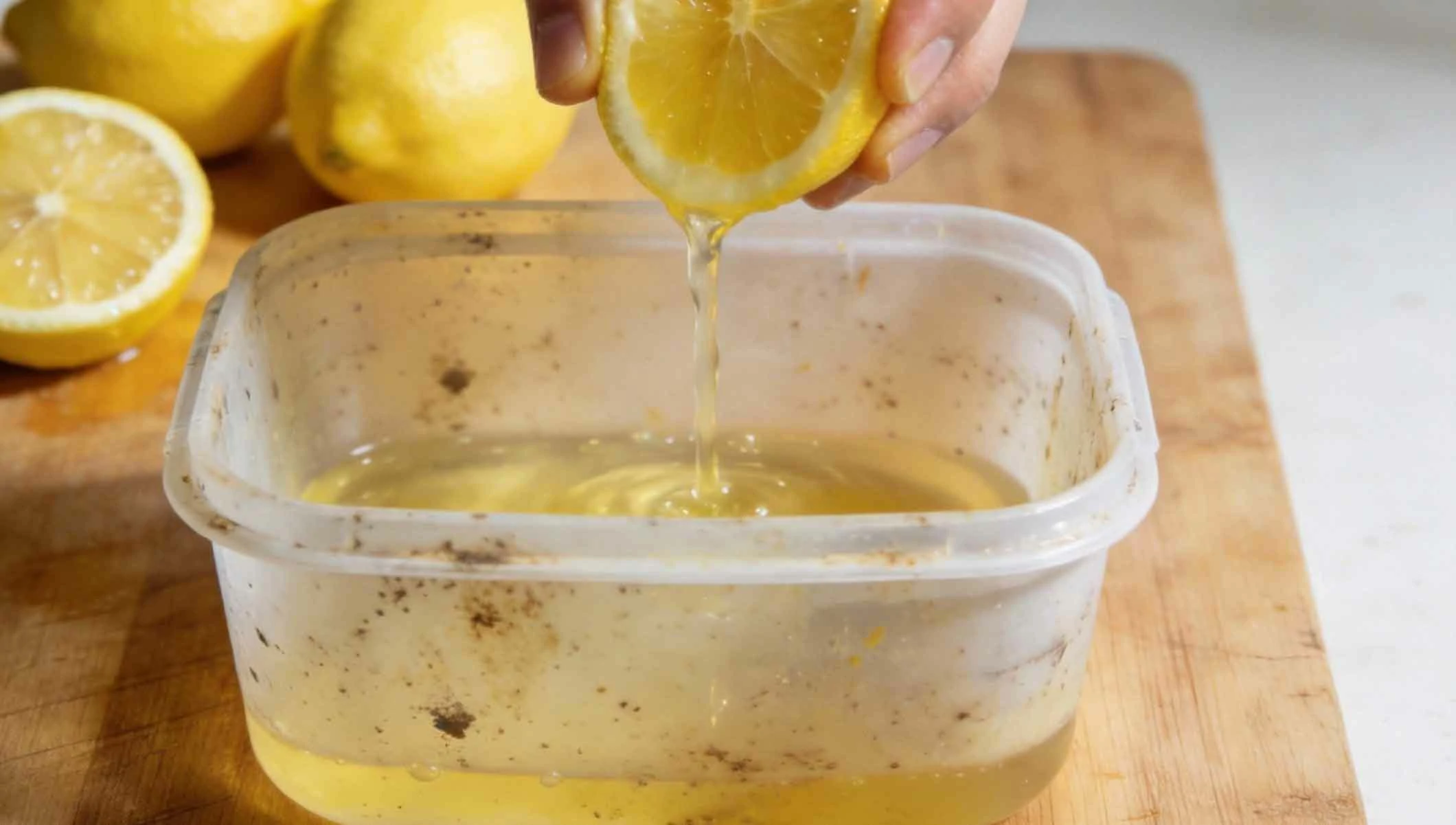
3. The Lemon Juice and Sunlight Method
This classic method harnesses the natural bleaching power of citric acid and sunlight. The paper towel here is crucial for holding the lemon juice in place and facilitating an even application, which enhances the sun's effect.
1. Materials Needed:
You will need fresh lemon juice or bottled pure lemon juice, paper towels, and access to direct sunlight.
2. Step-by-Step Process:
Squeeze fresh lemon juice or pour bottled juice into the bottom of the stained container. Use a paper towel to spread the juice evenly across all stained interior surfaces, ensuring they are well-coated. For lids, soak a paper towel in lemon juice and lay it flat on the stained area. Place the container and lid in a sunny spot, preferably outdoors on a bright day. The combination of the citric acid and the ultraviolet rays from the sun acts as a natural bleach. Leave it for 2-4 hours, or until the stains have visibly faded. The paper towel may dry out; if it does, simply re-moisten it with a little more lemon juice. Finally, wash the container normally with soap and water.
3. Why This Works:
Lemon juice contains citric acid, which breaks down stain molecules. Sunlight provides UV radiation, which further breaks down chromophores (the color-producing parts of molecules) in a process similar to bleaching. The paper towel ensures the lemon juice doesn't just pool at the bottom but treats the entire stained surface.
Advertisements
Advertisements
You May Have Missed
How long are your pinky and ring fingers? Finger longth reveal your personality

Man gives hitchhiker a lift home—and is shocked by the news the next day