
Frugal Gardening: Upcycling & Natural Pest Solutions
Advertisements
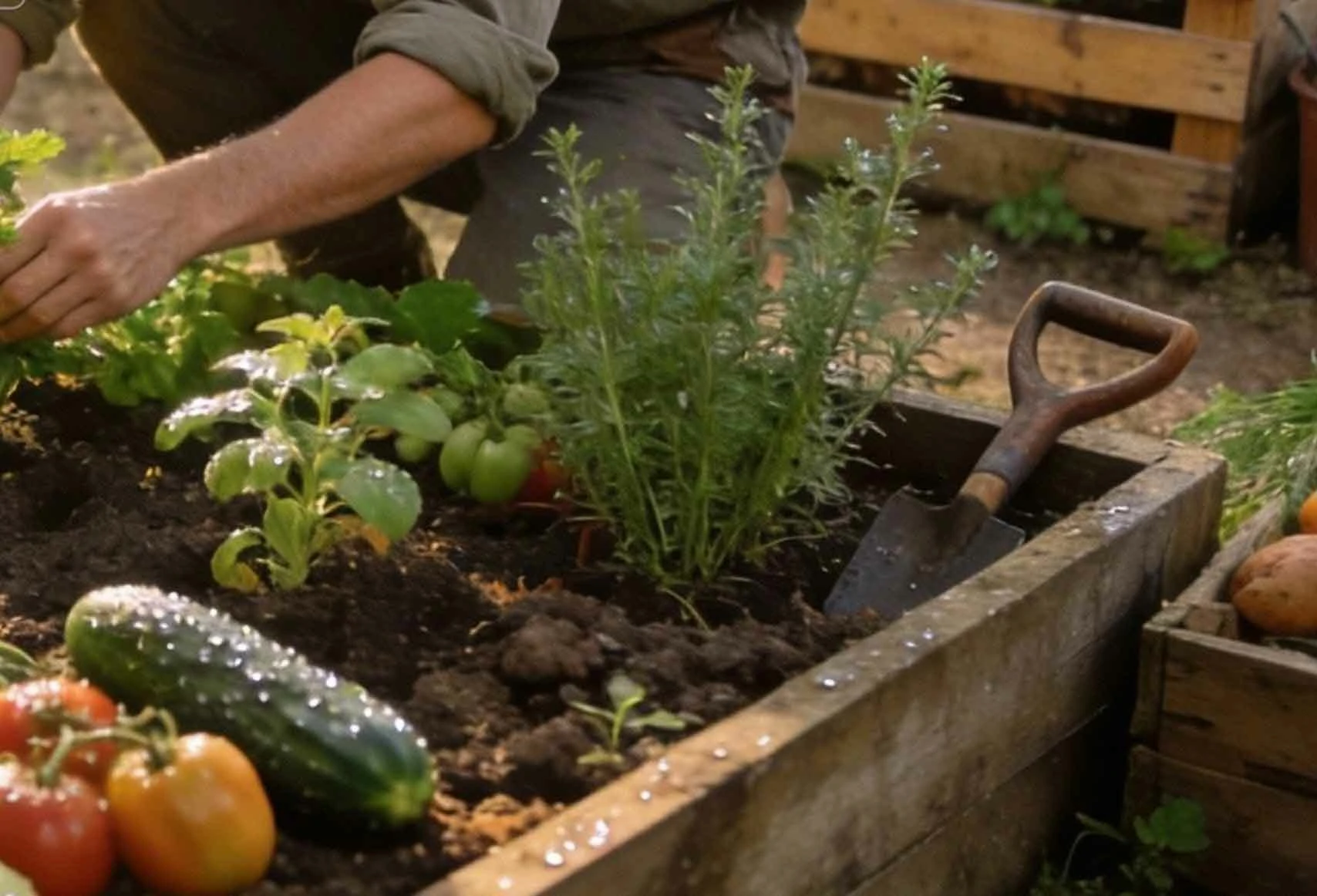
Embracing a frugal gardening philosophy is not merely about saving money; it's a sustainable, creative, and deeply rewarding approach to cultivating your own green space. By focusing on upcycling everyday household waste into valuable gardening tools and harnessing the power of natural, homemade remedies for plant care, you can create a thriving garden that is kind to both your wallet and the environment. This guide delves into practical, actionable strategies to transform what you might consider trash into treasure and to manage common garden challenges without resorting to expensive, chemical-laden products. Let's explore how ingenuity and nature's own pantry can unlock the full potential of your garden.
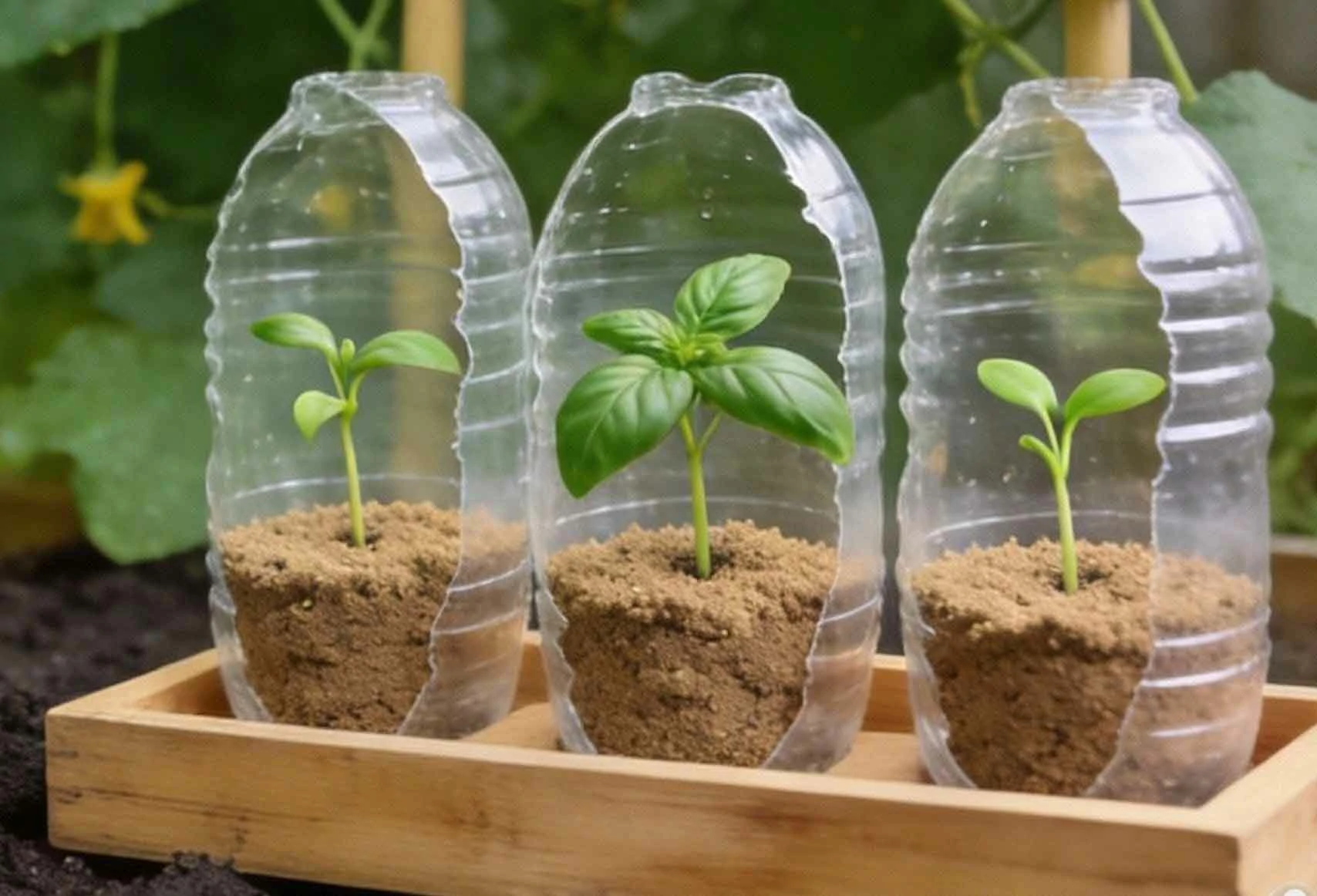
1. The Versatile Plastic Bottle: From Hydration Station to Mini Greenhouse
Empty plastic bottles are a ubiquitous waste item, but in the frugal gardener's hands, they become one of the most versatile assets. Their durability and transparency make them ideal for a variety of essential garden functions, effectively reducing your need to purchase specialized equipment.
1. 💧 Self-Watering System for Seedlings and Pots
Take a plastic bottle and puncture several small holes in the cap. Cut the bottom off the bottle. Bury the bottle, cap-side down, next to a plant's root zone, leaving the open bottom exposed above the soil. Fill the bottle with water, which will slowly seep out directly to the roots. This method provides deep, consistent moisture, minimizes evaporation, and is perfect for keeping plants hydrated during short absences or in hot weather.
2. 🛡️ Cloche for Frost and Pest Protection
A clear plastic bottle with the bottom cut off can be placed over individual young seedlings or tender plants. Press it slightly into the soil to anchor it. This creates a miniature greenhouse, warming the soil and air around the plant, protecting it from late or early frosts. It also acts as a physical barrier against pests like cutworms and birds. Remember to remove the cap on sunny days to prevent overheating.
3. 🌱 Efficient Seed Starter Pots
Cut a bottle horizontally to create two sections. Use the bottom half as a pot. Add drainage holes to the base. The top half, with the cap screwed on, can be used as a decorative container or, with the cap off and neck buried in soil, as a water funnel. These are perfect for starting seeds. When it's time to transplant, you can often cut the pot away easily or, if the roots are strong, plant the entire biodegradable-feeling container (though plastic isn't biodegradable, careful cutting is best).
Advertisements
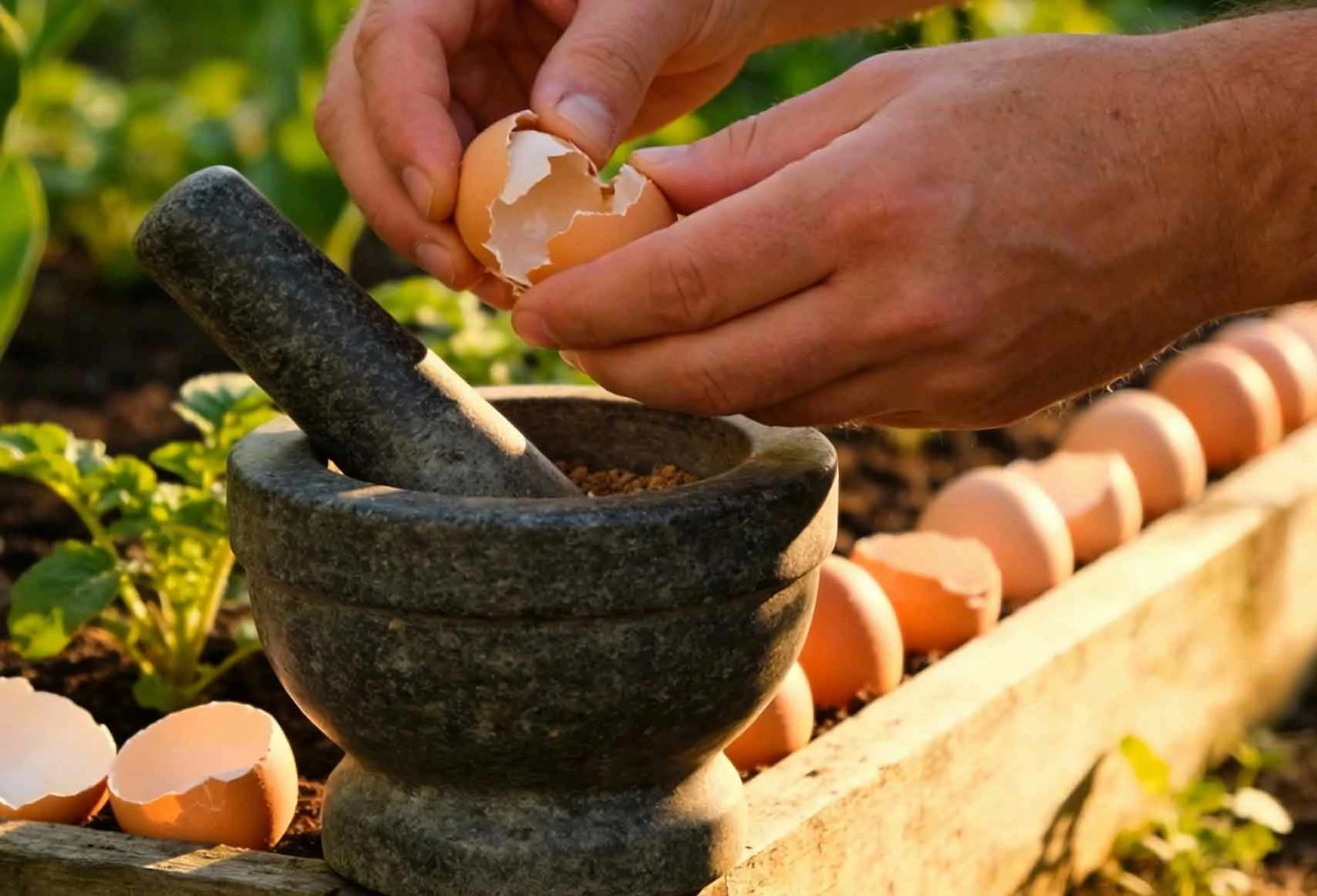
2. Eggshells: A Calcium-Rich Powerhouse for Soil and Pest Control
Do not discard those eggshells after breakfast. Rinsed and saved, they serve a dual purpose in the garden: as a superb soil amendment and a natural deterrent for soft-bodied pests. They are a fantastic source of calcium, which is crucial for preventing blossom end rot in tomatoes, peppers, and squash.
1. 🥚 Soil Amendment and Calcium Supplement
Crush dried eggshells into a fine powder using a mortar and pestle, blender, or by rolling them with a jar. Sprinkle this powder directly into the planting hole when setting out tomatoes, peppers, or other calcium-loving plants. You can also mix the crushed shells into your compost pile or sprinkle them on the soil surface around plants. As they break down, they slowly release calcium into the soil.
2. 🐌 Slug and Snail Barrier
Crush eggshells into small, sharp pieces (not a fine powder for this use). Create a wide ring of these sharp fragments around the base of susceptible plants like hostas, lettuce, or strawberries. The jagged edges are uncomfortable for soft-bodied slugs and snails to crawl over, acting as an effective physical deterrent. Replenish after heavy rain.
3. 🏺 Biodegradable Seed Starter Pots
Carefully crack eggs near the top to preserve more than half the shell. Rinse, let dry, and use a needle to make a small drainage hole in the bottom. Fill with potting mix and plant your seed. Place the shell in an egg carton for stability. When the seedling is ready to transplant, gently crush the bottom of the shell and plant the entire thing—the roots will grow through the cracks, and the shell will decompose, adding calcium to the soil.
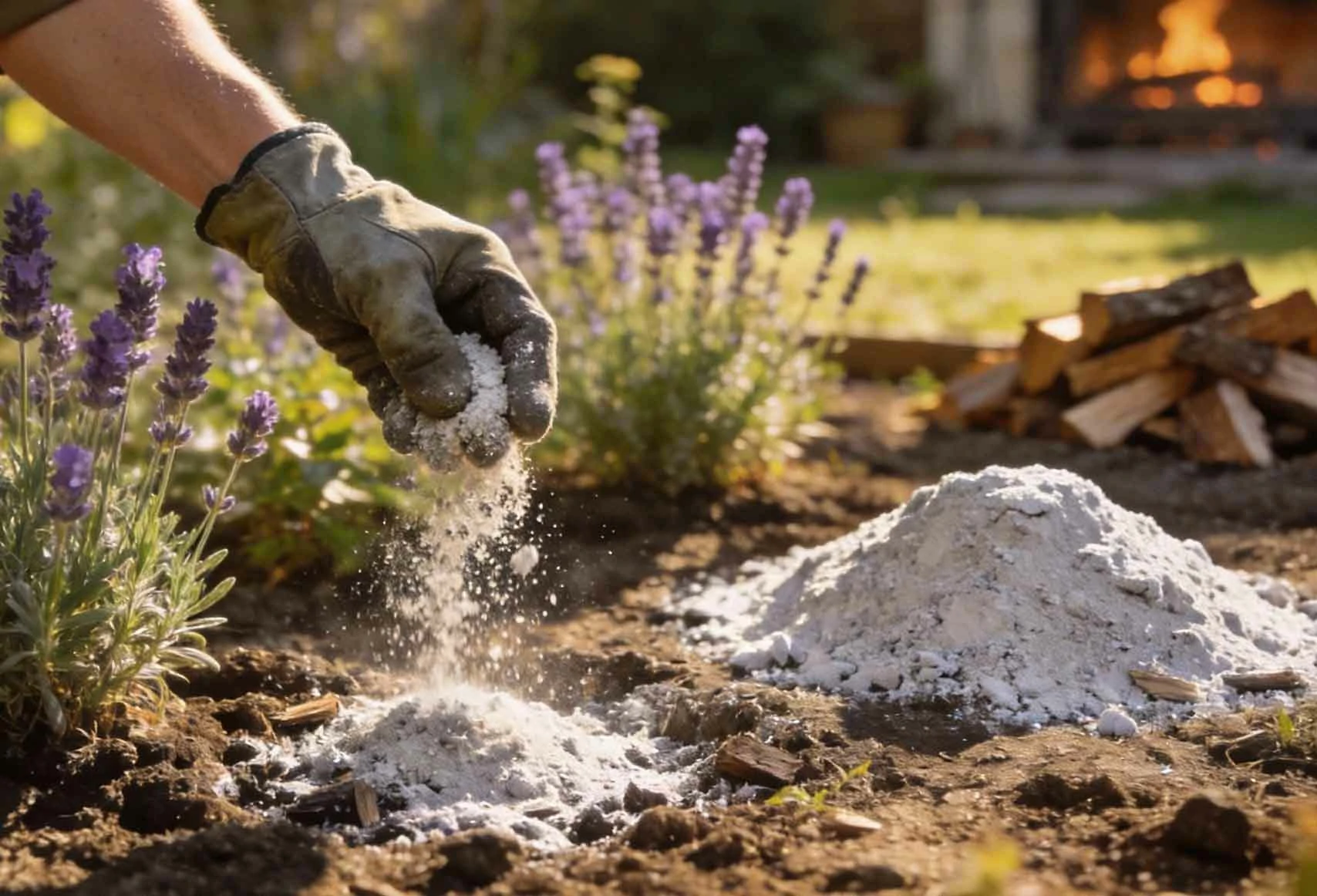
3. Wood Ash from the Fireplace: Balancing Soil pH and Repelling Pests
If you have a wood-burning fireplace or fire pit, the resulting ash is a valuable, nutrient-rich resource. Wood ash is alkaline and contains potassium, calcium, and trace minerals. However, it must be used judiciously, as it can raise soil pH significantly.
1. ⚖️ Soil pH Modifier for Alkaline-Loving Plants
Lightly sprinkle sifted wood ash around alkaline-loving plants like lilacs, lavender, and clematis. It can also be beneficial for vegetable garden beds if your soil is too acidic. Always test your soil pH before application, and never use ash around acid-loving plants such as blueberries, azaleas, or rhododendrons. A light dusting in winter or early spring is usually sufficient.
2. 🐛 Pest Deterrent for Leaf-Eating Insects
A light dusting of dry wood ash on the leaves of plants like brassicas (cabbage, broccoli) can deter pests like aphids, cabbage worms, and slugs. The ash desiccates soft-bodied insects and makes the plant less appealing. Apply on a calm, dry day and reapply after rain. Avoid coating the leaves heavily, as this can interfere with photosynthesis.
3. 🧂 Ice Melt and Pathway Traction
While not directly a plant care tip, frugal gardening extends to garden maintenance. Sprinkling wood ash on icy garden paths or driveways provides traction and helps melt ice, as the dark particles absorb sunlight. It's a free, chemical-free alternative to commercial salt, which can damage soil and plant roots when runoff occurs.
Advertisements
Advertisements
You May Have Missed

The husband abandoned his sick wife for his mistress.

Man gives hitchhiker a lift home—and is shocked by the news the next day