
DIY Citrus Vinegar Cleaning Spray for a Fresh Home
Advertisements
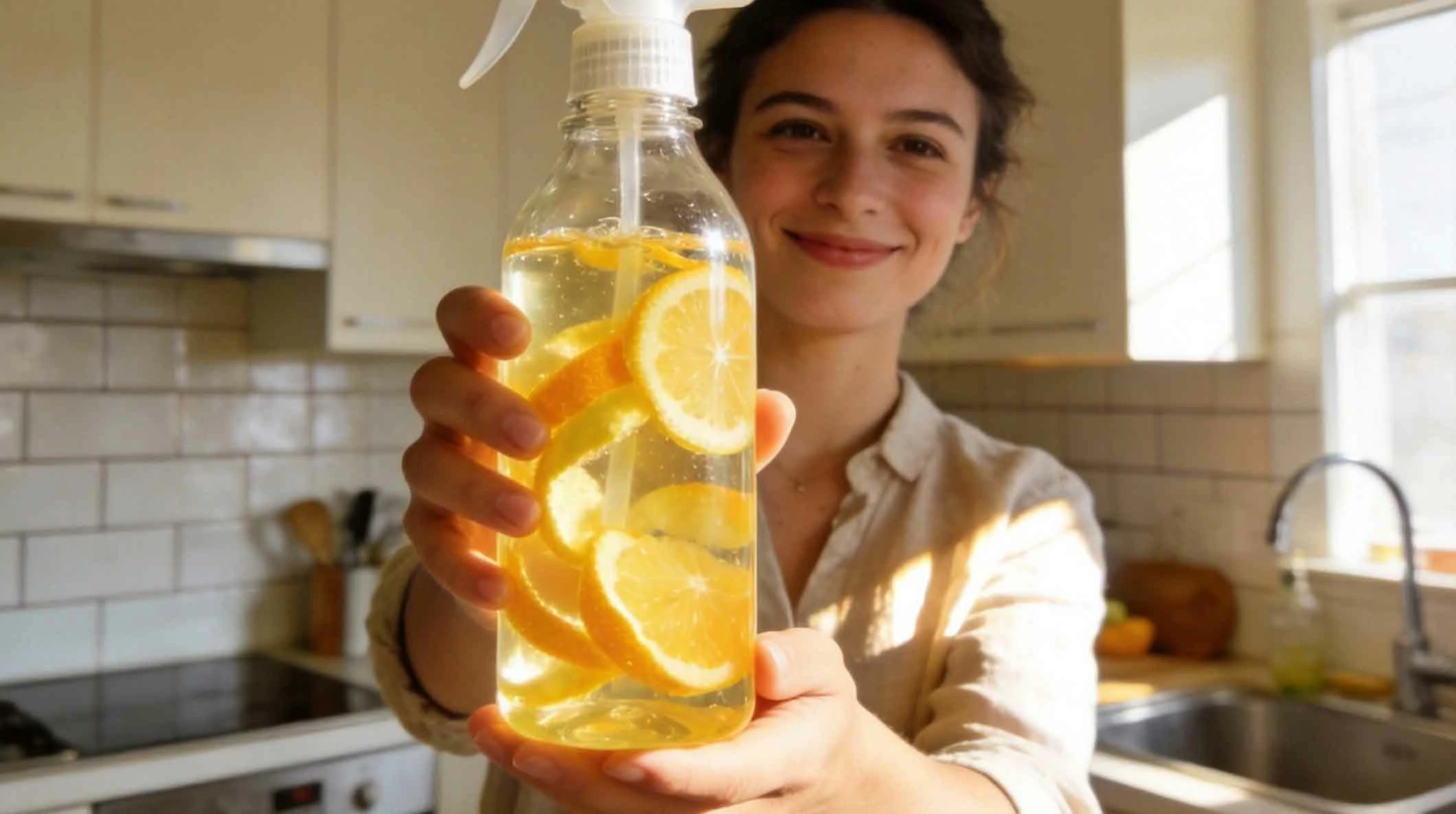
In the quest for a clean, fresh-smelling home without relying on harsh chemicals, DIY cleaning solutions have surged in popularity. Among these, citrus vinegar cleaning spray stands out as a star performer. This simple, effective cleaner leverages the natural degreasing power of vinegar combined with the fresh scent and slight antibacterial properties of citrus peels. Not only is it incredibly economical and easy to make, but it also turns common kitchen waste—citrus rinds—into a powerful cleaning asset. This guide will walk you through everything you need to know to create and use this versatile, eco-friendly spray to achieve a sparkling, naturally fresh home.
1. The Core Ingredients and Their Roles
The beauty of this cleaner lies in its simplicity. Only two primary components are required, each playing a crucial role in the cleaning and scenting process.
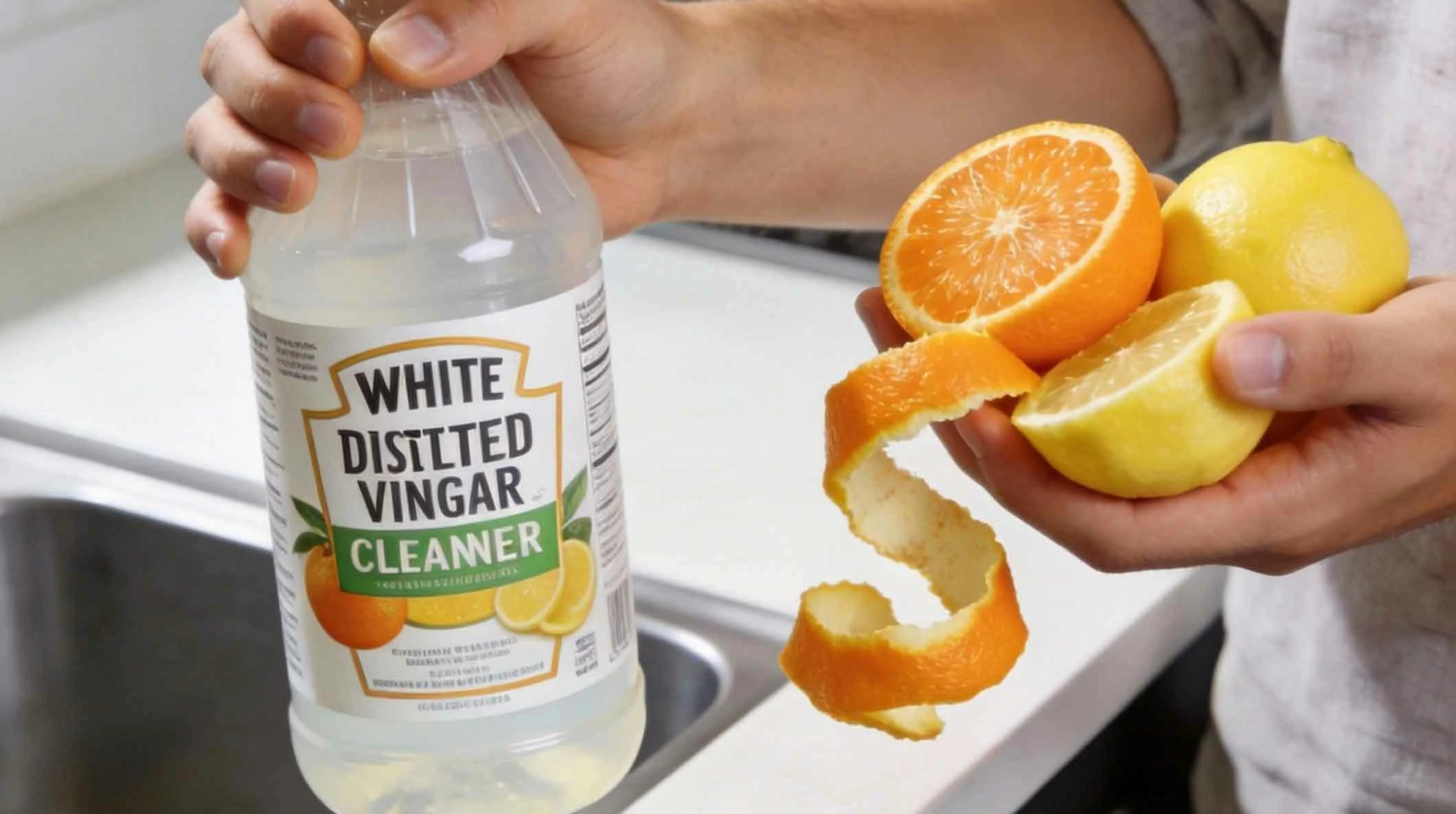
1. White Distilled Vinegar
White distilled vinegar is the workhorse of this formula. It is a mild acid (typically 5% acetic acid) that effectively cuts through grease, grime, soap scum, and mineral deposits. It acts as a natural disinfectant, killing many common household bacteria and molds. Its deodorizing properties are exceptional, neutralizing odors rather than just masking them.
2. Citrus Peels
The peels of oranges, lemons, limes, or grapefruits are the second essential ingredient. They infuse the vinegar with their bright, fresh scent, completely transforming the pungent aroma of vinegar as they steep. The peels contain d-limonene, a natural solvent that helps break down grease. They also add a subtle antibacterial boost to the final solution.
Advertisements

2. Essential Equipment and Optional Add-ins
Gathering the right tools will make the process seamless. A few optional ingredients can also enhance your spray for specific tasks.
1. A Clean Glass Jar with Lid
A large, clean glass jar (like a mason jar) is necessary for the steeping process. Glass is non-reactive, unlike metal or some plastics, which can interact with the acidic vinegar. Ensure the jar is thoroughly cleaned to prevent introducing unwanted bacteria.
2. A Spray Bottle
For dispensing your finished cleaner, a dark glass or high-quality plastic spray bottle is ideal. Dark glass helps protect the solution from light degradation. If using plastic, ensure it is rated for essential oils or acids, as standard plastic can degrade over time.
3. Optional: Fresh Herbs or Essential Oils
While not necessary, adding fresh rosemary, thyme, or a few drops of pure essential oils (like lemon, tea tree, or lavender) during the steeping phase can enhance the scent and add additional antibacterial properties. Tea tree oil, in particular, is known for its potent antimicrobial effects.
3. Step-by-Step Creation Process
Making citrus vinegar cleaner is more about patience than effort. The active work time is minimal, but the steeping period is key to a potent and fragrant result.
1. Prepare the Citrus Peels
Collect peels from organic citrus fruits if possible, to avoid pesticide residues. Remove as much of the white pith as you can, as it can impart a bitter flavor (though this is less critical for cleaning). Chop or tear the peels into small pieces to increase the surface area exposed to the vinegar.
2. Combine and Steep
Pack the citrus peels loosely into your clean glass jar. Pour the white distilled vinegar over the peels until they are completely submerged. Seal the jar tightly with its lid. Place the jar in a cool, dark cupboard or pantry for a minimum of two weeks. Shake the jar gently every few days. The vinegar will gradually extract the oils, color, and scent from the peels.
3. Strain and Bottle
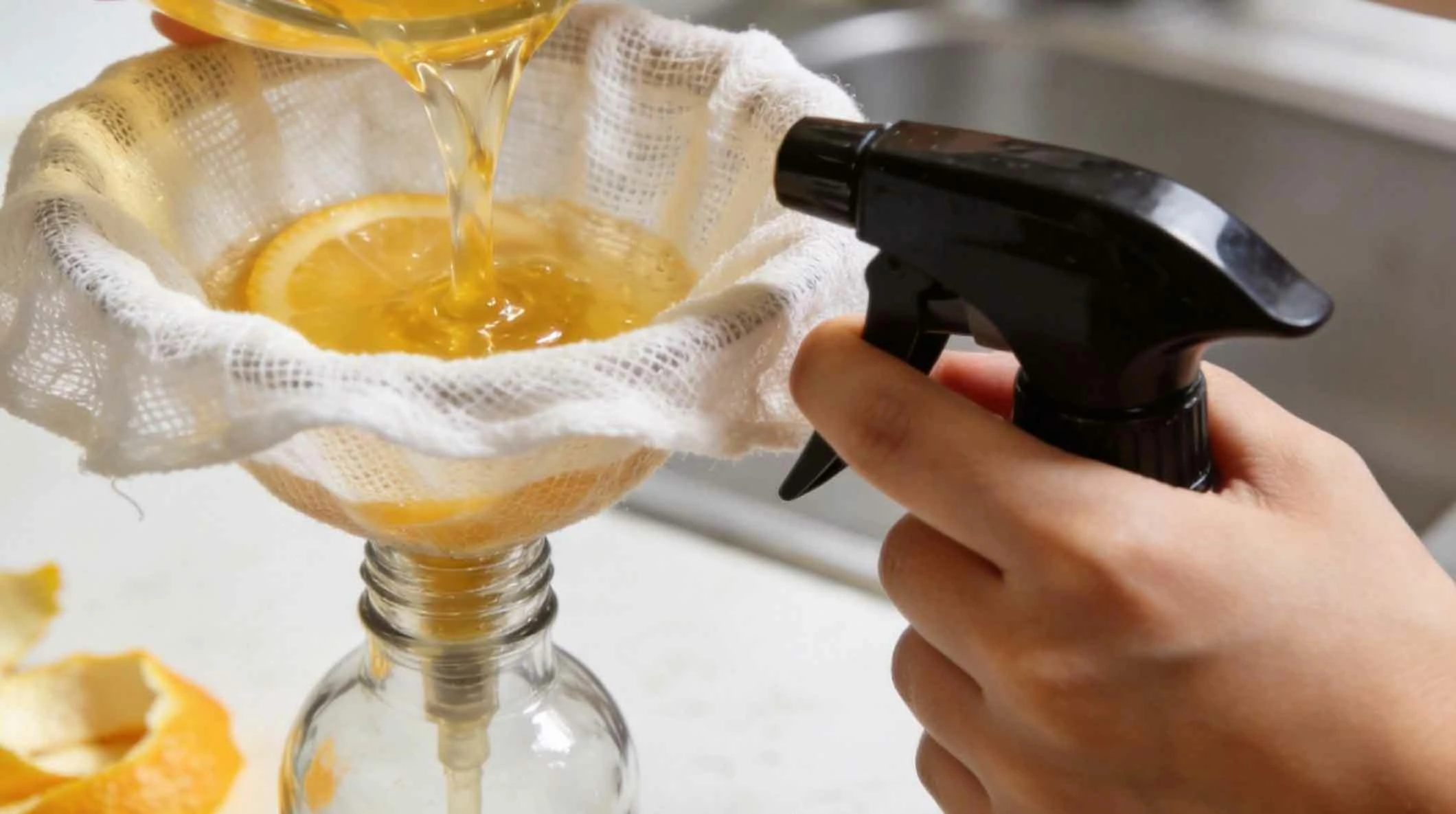
After the steeping period, strain the liquid through a fine-mesh sieve or cheesecloth into a bowl or measuring jug, discarding the spent peels. Your infused vinegar is now ready. For use, dilute it with an equal part of water in your spray bottle (a 1:1 ratio). For very greasy jobs, you can use it full-strength. Label your spray bottle clearly.
Advertisements
Advertisements
You May Have Missed

They didn't know who the fat truck driver was who was laughing at them.

My Husband Took A Trip With Another Woman.