
Vinegar & Epsom Salt Weed Killer Recipe
Advertisements
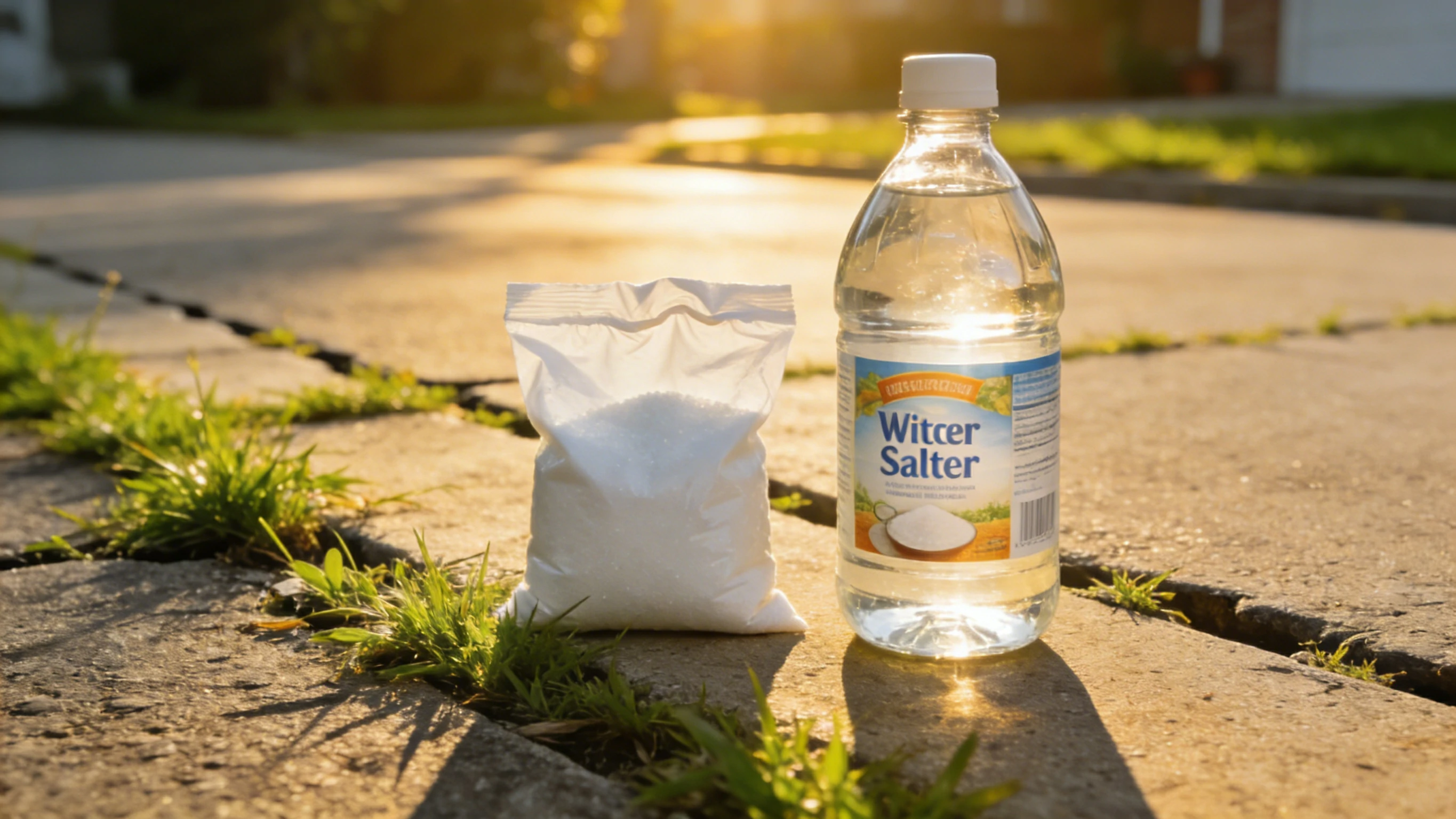
For gardeners and homeowners seeking an effective, affordable, and chemical-free solution for unwanted vegetation, a homemade vinegar and Epsom salt weed killer presents a compelling option. This powerful natural herbicide leverages the desiccating power of acetic acid combined with the plant-disrupting properties of magnesium sulfate to target weeds at their roots. Unlike store-bought chemical herbicides, this DIY recipe offers a more environmentally conscious approach, though it requires careful application and realistic expectations. This guide will delve into the science behind the mixture, provide a precise recipe and instructions, and outline crucial safety and effectiveness tips to help you reclaim your garden paths, driveway cracks, and patio joints.
Advertisements
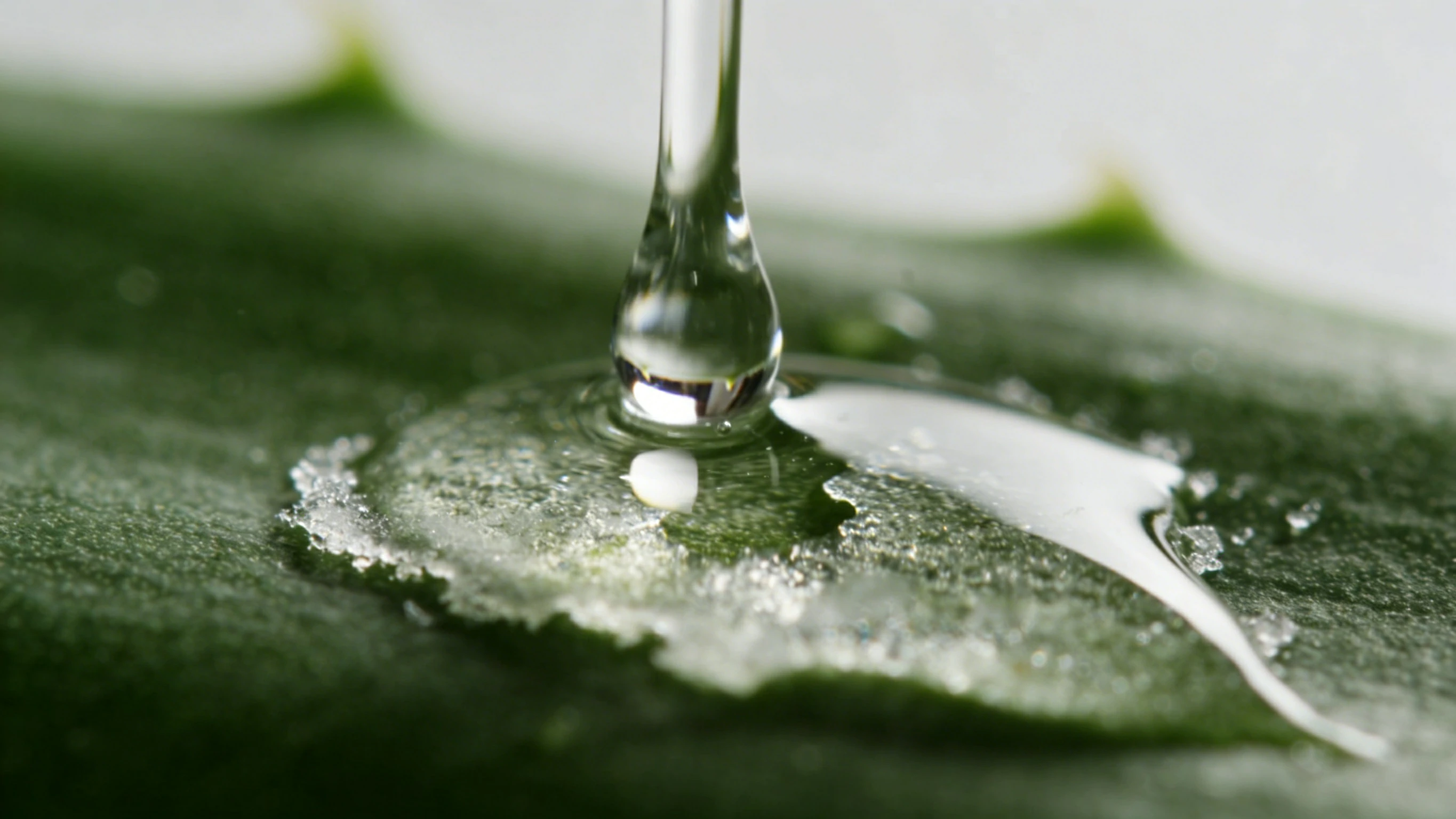
The Science Behind the Ingredients: How This Natural Killer Works
Understanding how each component functions is key to using this weed killer effectively. This natural herbicide works through a multi-pronged attack on the weed's cellular structure and metabolic processes.
1. Acetic Acid (Vinegar)
Household vinegar typically contains 5% acetic acid, but horticultural vinegar (20-30%) is significantly more potent. Acetic acid acts as a desiccant and a contact herbicide. Upon spraying, it rapidly breaks down the waxy cuticle on the leaves and stems, causing the plant cells to dry out and die. The effect is often visible within hours, as the foliage browns and wilts. However, its action is primarily top-kill; it may not always translocate effectively to destroy deep or established root systems on its own.
2. Epsom Salt (Magnesium Sulfate)
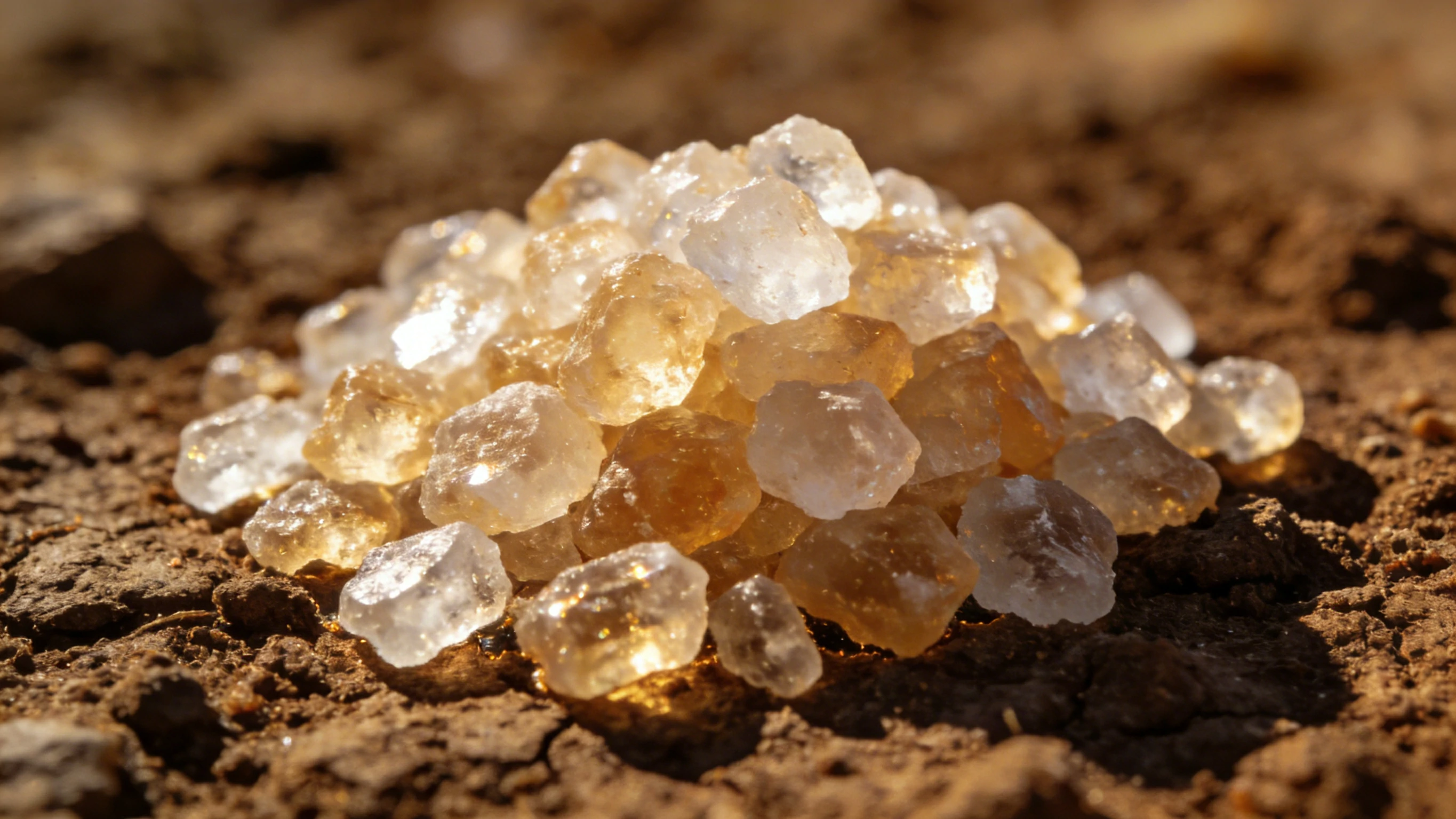
Epsom salt is not a salt in the traditional sodium chloride sense but a compound of magnesium and sulfur. In small, diluted amounts, it can be a beneficial fertilizer for magnesium-deficient plants. However, in the high concentration used in this recipe, it becomes phytotoxic. The excessive magnesium sulfate disrupts the plant's water balance and nutrient uptake. When combined with vinegar, it can help carry the desiccating effects deeper into the plant and may inhibit regrowth from the roots by creating a harsh soil environment immediately around the weed.
3. Liquid Dish Soap
The role of dish soap is as a surfactant or ""sticker-spreader."" Vinegar naturally beads up on the waxy surface of weed leaves. The soap breaks the surface tension, allowing the vinegar and salt solution to coat the leaf evenly and be absorbed more effectively instead of rolling off. This ensures maximum contact and penetration of the active ingredients.
Advertisements
The Complete DIY Recipe and Mixing Instructions
This recipe balances potency with accessibility, using ingredients easily found at home or in local stores. For best results, use the highest acetic acid concentration vinegar you can safely handle.
1. Ingredients You Will Need
Gather the following items before you begin: one gallon of white vinegar (at least 5%, but 10-20% horticultural vinegar is far more effective for perennial weeds), two cups of Epsom salt, and one-quarter cup of liquid dish soap (preferably a simple, non-ultra, biodegradable brand like Castile soap). You will also need a large one-gallon spray bottle or a garden sprayer, a long spoon or stick for stirring, and protective gear.
2. Step-by-Step Mixing Process
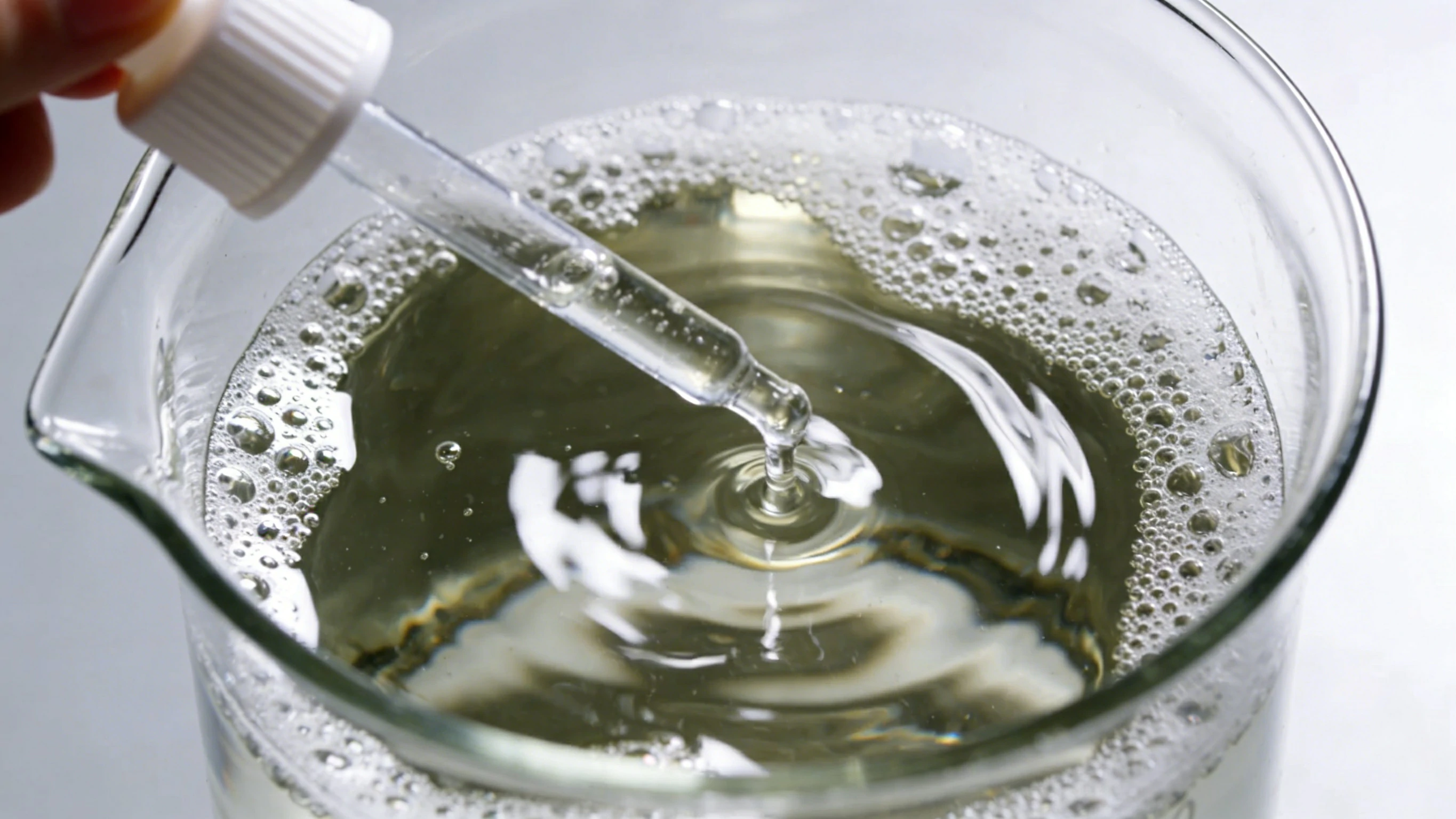
First, pour the gallon of vinegar into your mixing container. Slowly add the two cups of Epsom salt to the vinegar. Stir vigorously and continuously for several minutes. The salt will eventually dissolve, but it requires patience and thorough stirring. Once the salt is fully dissolved, carefully add the quarter cup of liquid dish soap. Stir gently to incorporate; avoid creating excessive suds. The soap is the final ingredient to prevent premature foaming. Your natural weed killer is now ready for immediate use. Any unused mixture should be stored in a clearly labeled container, out of reach of children and pets.
Application Techniques for Maximum Effectiveness
Proper application is just as important as the recipe itself. Timing, weather, and technique dramatically influence the outcome.
1. Ideal Conditions for Spraying
Choose a hot, dry, sunny day with no rain in the forecast for at least 24-48 hours. The sun acts as a catalyst, accelerating the desiccating action of the vinegar. Apply the solution during the middle of the day when the sun is strongest. Avoid windy days to prevent drift onto desirable plants, as this solution is non-selective and will harm any vegetation it touches.
2. How to Apply the Solution
Shake or stir your sprayer gently before use. Spray the weeds thoroughly, soaking the leaves, stems, and crown (where the stem meets the soil) until the solution begins to drip off. Pay special attention to covering all leaf surfaces. For best results, apply directly to young, actively growing weeds. For larger, established perennial weeds, you may need to apply the solution 2-3 times over the course of a week, recoating any new growth that appears after the initial top-kill.
Advertisements
Advertisements
You May Have Missed

Time Travel Through History With These Vintage Photos

29 shameless photos of Dubai that will amaze you