
Practical Preparation and Application Methods
Advertisements
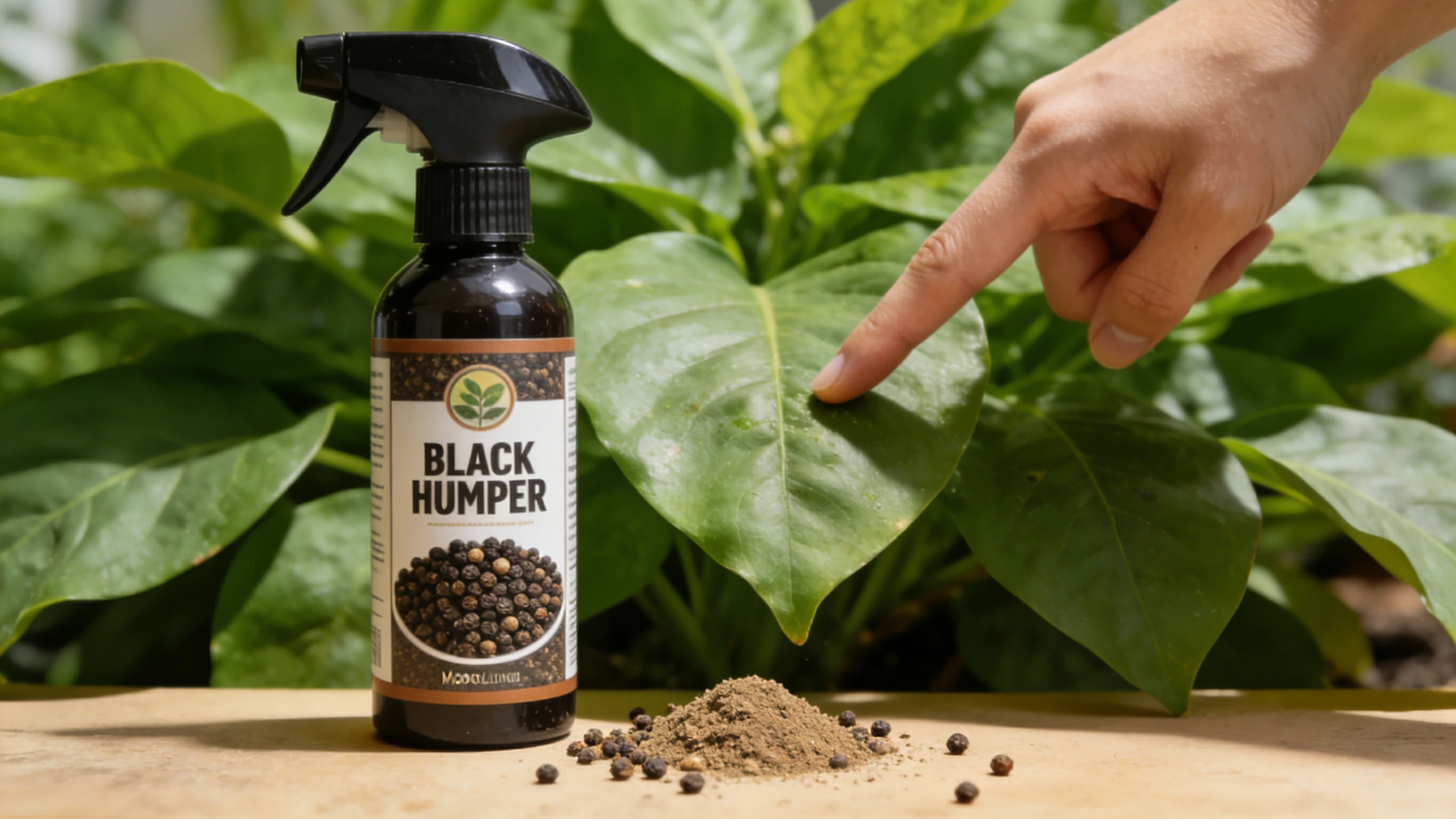
To harness black pepper's pest-control power, it must be prepared and applied correctly. Here are detailed, proven methods for gardeners and small-scale farmers.
1. Concentrated Black Pepper Spray or Solution 🧴
This is the most common and effective method. To make a standard solution: combine 2-3 tablespoons of freshly ground black pepper (or 1 tablespoon of black pepper essential oil) with one liter of warm water. Add a few drops of natural liquid soap (like castile soap) to act as an emulsifier and spreader. Seal the mixture in a jar, shake vigorously, and let it steep for 24-48 hours. Strain through a cheesecloth or fine sieve to remove particles that could clog sprayers. Transfer to a spray bottle and apply thoroughly to all plant surfaces, especially the undersides of leaves where pests congregate. Reapply every 5-7 days and after any rainfall. For a stronger concentrate, simmer ground pepper in water for 30 minutes, cool, strain, and then dilute.
2. Protective Dust and Barrier Applications 🌶️
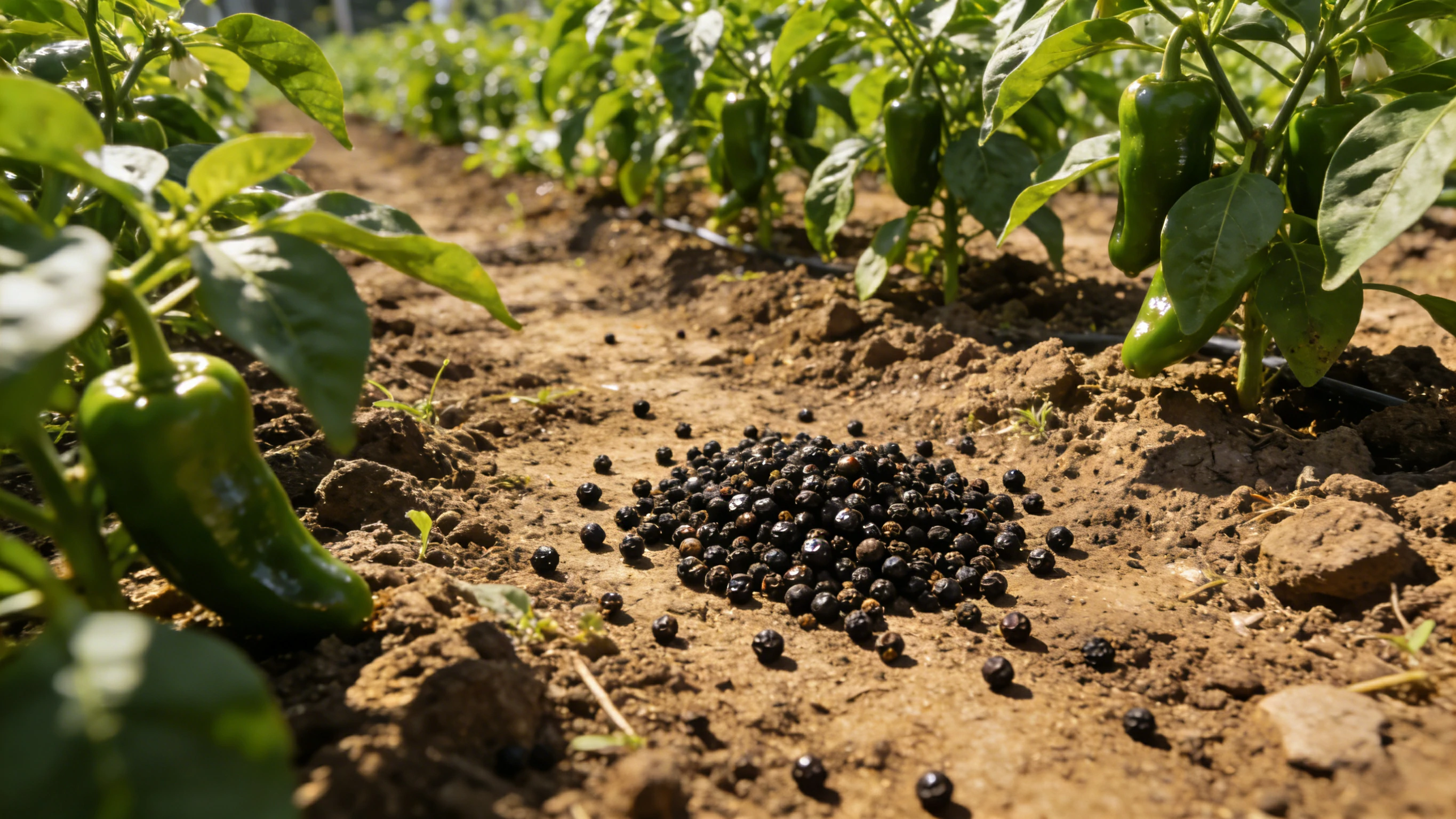
For dry application, use finely powdered black pepper alone or mixed with other deterrents like cinnamon or garlic powder. Lightly dust the leaves and stems of plants on a calm, dry day. This method is excellent for creating a lasting barrier against crawling insects. You can also create a perimeter barrier by sprinkling a circle of pepper dust around individual plants or garden beds to deter ants, which often farm aphids. For seedlings, a light dusting can protect them during their most vulnerable stage.
3. Integration into Soil and Companion Planting 🌱
Incorporate small amounts of black pepper powder into the top layer of soil when transplanting to deter soil grubs. For companion planting, while black pepper itself is a vine not always feasible to grow everywhere, its principles can be applied. Growing strongly aromatic herbs (like those sharing similar volatile compounds) can enhance the repellent effect. Alternatively, soaking mulch in a strong pepper tea before applying it around plants can create a slow-release pest-deterrent zone.
Advantages in Organic and Sustainable Farming Systems
The use of black pepper aligns perfectly with the principles of organic agriculture, which emphasizes environmental health, biodiversity, and avoidance of synthetic inputs.
1. Environmental and Non-Target Safety 🌍
Black pepper is inherently biodegradable and leaves no persistent toxic residues in soil or water. It is non-toxic to mammals, birds, and most beneficial insects when used appropriately. Crucially, it does not harm vital pollinators like bees and butterflies, nor predatory insects like ladybugs and lacewings, which are essential for natural pest control. This selectivity helps preserve the ecological balance in the garden.
2. Economic Accessibility and Resistance Management 💰
For farmers, especially in developing regions, black pepper is a cost-effective solution. It is widely cultivated and available globally, often at a lower cost than commercial organic pesticides. By using a substance with multiple modes of action, the risk of pests developing resistance is significantly reduced compared to single-mode synthetic chemicals. This makes it a sustainable long-term option in integrated pest management (IPM) programs.
3. Synergy with Integrated Pest Management (IPM) 🔄
Black pepper is not a stand-alone silver bullet but an excellent component of an IPM strategy. It can be used in rotation with other botanical insecticides (e.g., neem oil) to prevent pest adaptation. It serves well as a preventive spray during periods of high pest pressure or as a spot treatment for early infestations. Its use supports the IPM goals of monitoring, prevention, and using the least harmful control methods first.
Limitations, Considerations, and Best Practices
While highly beneficial, black pepper as a pest control agent has some limitations that users should acknowledge for optimal results.
1. Variable Potency and Shelf Life 📉
The potency of black pepper depends on its piperine and essential oil content, which can vary with origin, freshness, and processing. Freshly ground pepper from whole peppercorns is more effective than pre-ground pepper that has been sitting on a shelf. Homemade sprays have a limited shelf life (about 1-2 weeks if refrigerated) and should be used promptly. Light and heat degrade the active compounds.
2. Weather Dependence and Application Frequency ☔
Rain, overhead irrigation, and strong wind can quickly wash off or disperse pepper applications. This necessitates reapplication, which can be labor-intensive on a large scale. It works best in protected environments like greenhouses or during dry seasons. Consistent monitoring and timely re-spraying are key to maintaining protection.
3. Potential Phytotoxicity and Test Patch 🔍
While generally safe, concentrated pepper sprays can sometimes cause leaf burn (phytotoxicity) on very tender seedlings or sensitive plant species, especially in hot, sunny weather. It is always prudent to test the spray on a small, inconspicuous part of the plant and wait 24-48 hours for any adverse reaction before treating the entire plant or crop.

In conclusion, black pepper stands as a remarkable, naturally derived tool for plant protection. Its complex blend of insecticidal, repellent, and growth-inhibiting compounds offers a multi-faceted defense against a wide array of pests. From the home gardener preparing a simple spray to the organic farmer integrating it into a broader IPM plan, black pepper provides an effective, safe, and economical alternative to synthetic chemicals. By understanding its active ingredients, mechanisms, and practical application methods, cultivators can harness this spice's full potential. As the demand for sustainable agriculture grows, black pepper's role in natural pest management is likely to become even more prominent, proving that sometimes the best solutions are found not in a lab, but in the kitchen pantry.
Advertisements
Advertisements
You May Have Missed

The 10 riskiest dog breeds to keep at home

This Elegant Country Cottage is Movable! Let’s Find out What’s Inside...